Some towns are just dots on a map.
Leadville, Colorado is not one of them.
Perched at 10,152 feet above sea level, Leadville has always asked a little more of the people who chose to live — or race — here. The air is thin. The winters are sharp. And the history runs deep, layered like the very rock beneath the town.
Before Leadville became a pilgrimage site for endurance athletes, it was something else entirely:
A mining town built on dreams, grit, and faith that the mountains might just give back what they were taking.
And honestly? That spirit has never left.
The Making of a Mountain Town
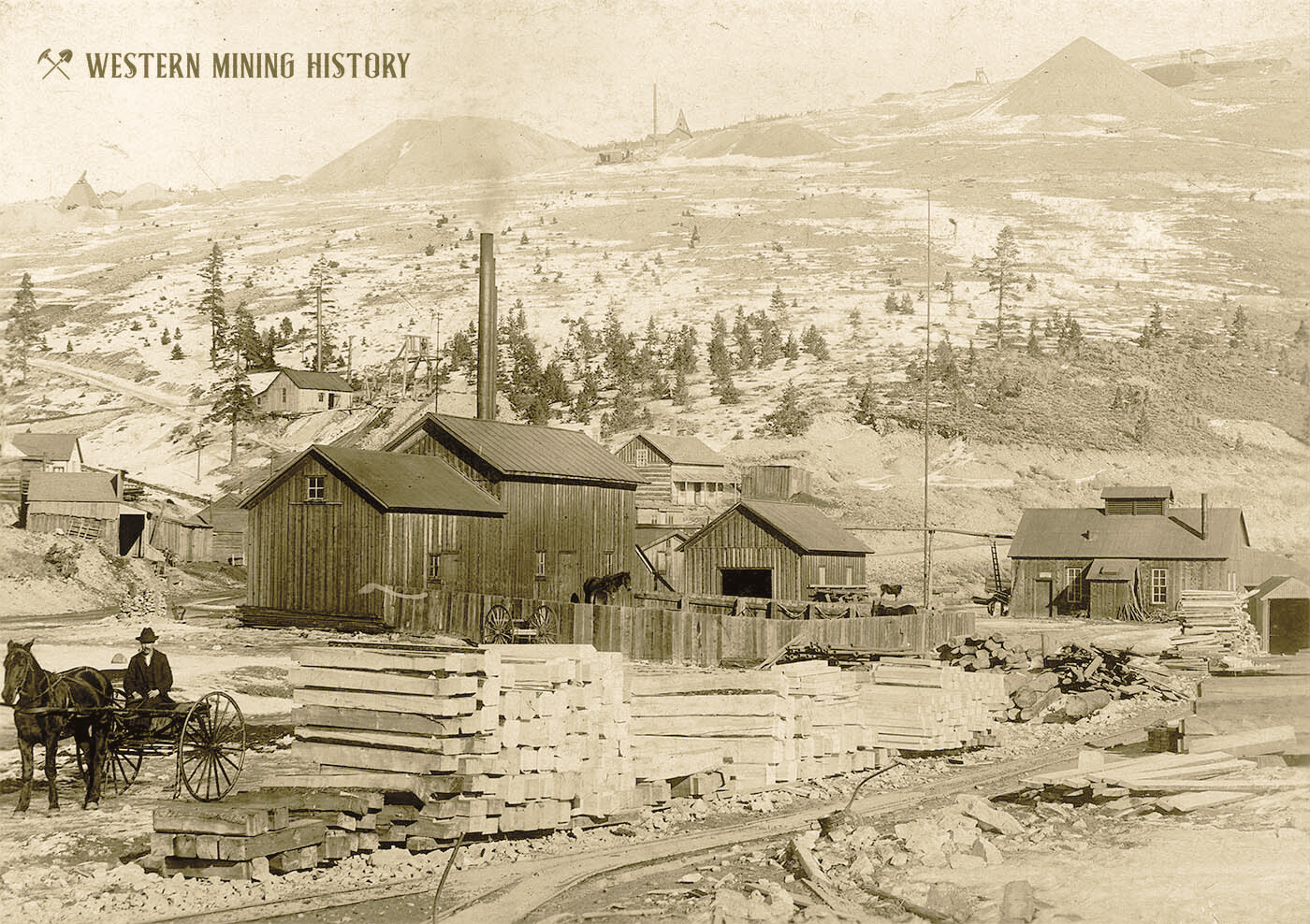
Leadville was born in the late 1800s during Colorado’s silver boom. People poured in from everywhere — chasing opportunity, survival, and sometimes salvation.
Among them was one of my own ancestors, Thomas Crocombe, who came from Devon, England in 1881 to work the mines — known in family stories for having a “nose for the ore.” Another ancestor, Reverend Arthur Edison Armstrong I, arrived in 1887 as the town’s second Presbyterian minister. This place isn’t just history for me — it’s bloodline.
Leadville in those days was loud, bustling, and rough around the edges. Miners worked long hours deep underground. Families endured impossible winters. Fortune and hardship lived side-by-side. Hope and exhaustion shared the same table.
And yet — there was resilience. Always resilience.
Even when it all collapsed.
When the Mines Closed — And Hope Nearly Did Too
By the early 1980s, Leadville’s mining industry shut down — taking thousands of jobs with it. The town that once buzzed with industry went quiet.
People started leaving.
Businesses faded.
Uncertainty filled the air thicker than the snowstorms.
Leadville needed a miracle.
And instead, it got an ultramarathon.
The Birth of the Leadville Race Series
In 1983, local miner and firefighter Ken Chlouber had an audacious idea:
If the town couldn’t rely on mining anymore…
maybe it could rely on endurance.
So he created the Leadville Trail 100 Run — a 100-mile mountain race across rocky trails, high passes, and thin-air terrain. It was wild. It was borderline unreasonable. It was exactly the kind of challenge that would grab the attention of the world.
With race director Merilee Maupin by his side, the Leadville Race Series grew — one brave step, one tired runner, one year at a time.
And the town began to breathe again.
Today, the series includes:
🏃 Leadville Trail 100 Run
🚵 Leadville Trail 100 MTB
🔥 Silver Rush 50 Run & MTB
🏔 Leadville Trail Marathon & Heavy Half
👟 Leadville 10K
Athletes now travel from all over the globe for the privilege of being humbled at altitude.
And the heartbeat of Leadville — the resilience — remains the same.
Why Leadville Still Matters
Leadville’s story is not really about mining.
It’s about endurance.
It’s about choosing courage when life gets harder than you planned.
It’s about community — cheering in the cold, ringing cowbells, staying up past midnight because someone is still out there fighting for their finish.
And as The Fed Diabetic Runner, that story resonates deeply with me.
Because like Leadville, my body doesn’t always take the easy route:
🩸 fuel requires intention
🫁 altitude adds complexity
🧠 mindset matters
💚 compassion is non-negotiable
And still — I show up.
Joyfully.
Humbly.
Gratefully.
Just like this town did.
Where My Story Meets Leadville’s
My ancestors came here for work, faith, and survival.
I come here to run — and to remember.
To honor the grit that runs in my DNA.
To listen to the mountains.
To keep choosing endurance — one mile, one gel, one glucose check at a time.
And every time I return, I feel like Leadville is quietly teaching me the same lesson it has whispered for generations:
You are tougher than you think.
And you can do more than you know.
Not because strength is loud.
But because it is steady.
Leadville — Then. Now. Always.
From ore to oxygen debt.
From headlamps underground to headlamps on midnight trails.
From mining families to endurance families.
Leadville remains what it has always been:
A place where ordinary people do extraordinary things.
And somehow —
it feels like home.
💚

Leave a Reply