Because You Can’t Run 50 Miles on Diet Coke and Vibes
By The Fed Diabetic Runner — Chasing Miles, Mountains, and Meaning
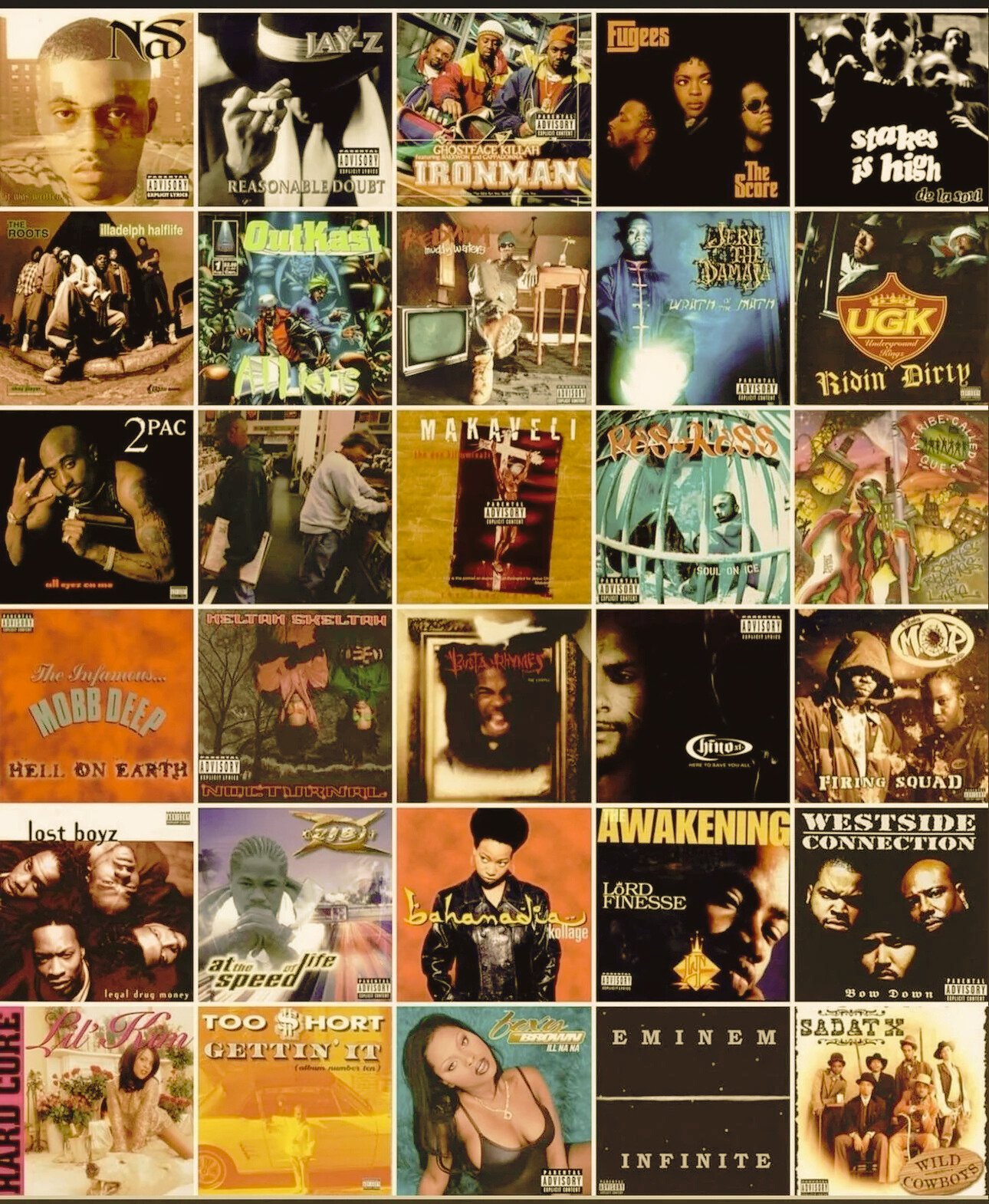
Imagine it’s 1996.
Your running playlist is on a Discman that skips every time your foot hits the ground. Your shorts are questionably neon. Your sports bra has seen things. And every magazine at the grocery checkout is screaming about low-fat everything while actual runners are quietly inhaling bagels like it’s their job.
Because it is.
Ultra fueling in the 90s wasn’t aesthetic. It wasn’t optimized. It wasn’t macro-tracked in an app. It was basically: eat whatever keeps you moving forward and doesn’t come back up on a hill.
Honestly? Not much has changed.
Diet Culture: “Nothing tastes as good as skinny feels.”
Ultra Reality: “Nothing feels as good as not bonking.”
Diet culture in the 90s sold restraint as virtue:
- Fat-free cookies (somehow worse than regular cookies)
- SnackWell’s everything
- Margarine pretending to be butter
- Tiny portions arranged like modern art
Meanwhile, endurance athletes were over here carb-loading like winter was coming.
Because once you’re hours into a run, the body doesn’t care about magazine slogans. It cares about glucose.
Bonking isn’t cute. It’s not disciplined. It’s a full-system shutdown with a side of existential dread.
Carbs: Public Enemy #1 (Unless You Actually Run Far)
In 1996, carbs were already getting suspicious side-eye, even though every serious runner knew they were rocket fuel.
Classic 90s endurance menu:
- Bagels the size of steering wheels
- Pasta piled to structural-engineering limits
- Bananas in every gym bag
- Neon sports drink that could double as windshield fluid
- Energy bars with the texture of drywall
Pretty? No. Effective? Absolutely.
Ultra runners don’t worship carbs because we lack willpower. We worship them because they keep us conscious.
The “Eat Clean” Fantasy vs. Trail Reality
Diet culture wants pristine plates and controlled environments.
Ultra running gives you:
- Crushed chips in a ziplock
- Melted candy bars
- Questionable peanut butter packets
- Aid station food handled by volunteers with saint-level patience
- Salt-crusted everything
By mile 30, you are not a delicate woodland creature sipping green juice. You are a determined raccoon with a hydration vest.
And raccoons survive.
Hydration: Not Optional, Even in 1996
Back in the day, hydration packs were bulky, bottles were awkward, and electrolyte science was… enthusiastic guesswork.
But even then, runners knew one thing:
Dehydration makes everything worse.
Headache. Fatigue. Muscle cramps. Mood swings that could rival a dial-up connection dropping mid-download.
Today we have better tools. Same fundamental rule:
Drink before you’re desperate.
Training Your Gut (Yes, That’s a Thing)
Ultra runners don’t just train muscles — we train stomachs.
Long runs are basically rehearsal dinners for race day:
- Can you eat while moving?
- What sits well at hour four?
- What turns into regret on a climb?
- How does blood sugar respond?
Skipping fuel in training doesn’t make you tough. It makes race day a surprise horror movie.
And nobody wants plot twists at mile 42.
For Diabetic Runners: This Is Not a Game
Managing endurance exercise with diabetes adds a whole extra layer of calculus.
Fuel timing affects everything:
- Blood sugar stability
- Cognitive clarity
- Safety on remote trails
- Recovery afterward
Ignoring hunger cues isn’t discipline — it’s dangerous.
My vest isn’t packed because I’m indulgent. It’s packed because I like finishing races without a medical subplot.
Race Weight vs. Finish Line Weight
90s culture obsessed over the number on the scale.
Ultra culture cares about the number on the mileage marker.
Underfueling may make you lighter, but it also makes you:
- Slower
- Weaker
- More injury-prone
- Chronically exhausted
- Less resilient
Strong beats small every single time when the distance gets ridiculous.
What Real Ultra Fueling Looks Like (Then and Now)
It’s not glamorous. It’s functional chaos.
Picture:
- Sticky hands
- Salt lines on your face
- Wrappers stuffed everywhere
- That one food you suddenly cannot live without
- Aid station buffets that look like a convenience store exploded
And somehow, it all adds up to forward progress.
A Note from The Fed Diabetic Runner
I don’t fuel to earn miles. I fuel so I can survive them.
My body isn’t a fashion accessory from a 90s catalog. It’s a long-distance vehicle with a sensitive fuel system and zero patience for nonsense.
Diet culture says shrink.
Ultra running says sustain.
I choose sustain.
Final Thoughts: Eat the Bagel
If 1996 taught us anything, it’s that trends fade but physiology doesn’t.
Your body still needs:
- Carbohydrates for energy
- Electrolytes for balance
- Calories for endurance
- Hydration for literally everything
So channel your inner 90s runner:
Cue the grunge soundtrack.
Grab the oversized bagel.
Fill the bottle with neon sports drink.
Ignore the magazine headlines.
Go run something ridiculously far.
You’re not weak for needing fuel.
You’re built for distance.



Leave a Reply