Real Food Strategies for Long Miles
By The Fed Diabetic Runner
Walk into any running store and you’ll see entire shelves dedicated to gels, chews, drink mixes, and endurance supplements. And while those products can work well, they also come with one big drawback:
They’re expensive.
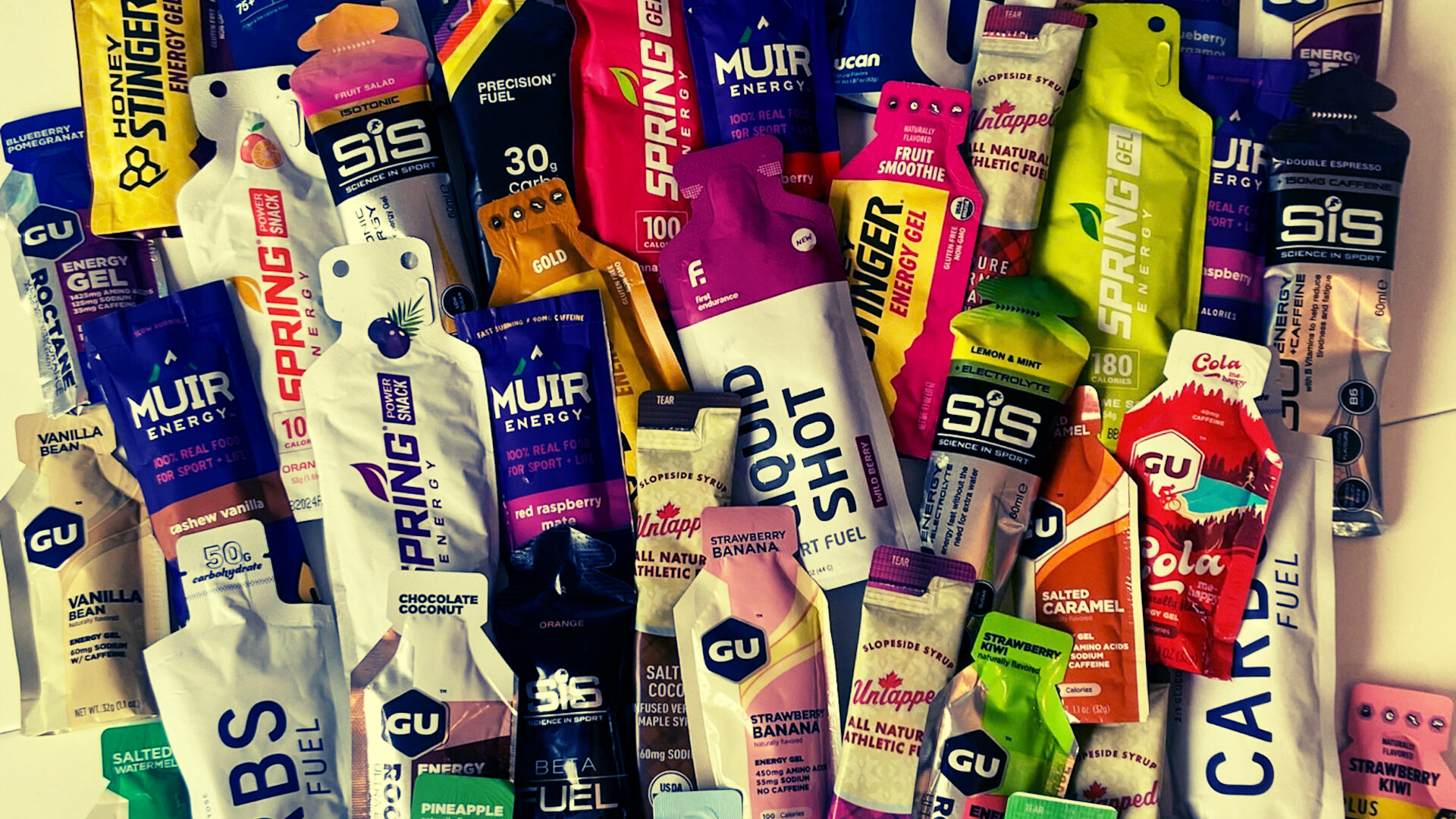
When you’re training for an ultra and spending hours on the trails every week, buying several gels for every long run can add up quickly. A single ultra race might require 10–20 gels, which can easily cost $30–$60 for one race alone.
But here’s the good news: you don’t need fancy fuel to run long distances.
Plenty of ultra runners—myself included—fuel long runs with simple, affordable foods. As The Fed Diabetic Runner, I’ve learned that steady fueling matters far more than fancy packaging.
Let’s talk about how to fuel ultras without draining your wallet.
Why Fueling Matters in Ultras
During long efforts, your body relies heavily on carbohydrates for energy.
Most endurance guidelines recommend:
200–300 calories per hour during an ultra-distance event.
Without consistent fuel, runners risk:
- Bonking (running out of glycogen)
- Low blood sugar
- Muscle fatigue
- Mental fog
- GI issues from overeating later
Consistent fueling helps maintain steady energy and stable blood sugar, something especially important for runners managing metabolic conditions.
The Problem With Gels
Gels are convenient, but they’re not perfect.
Common downsides include:
- Cost – $2–$4 per gel
- Taste fatigue after several hours
- GI distress for some runners
- Excess packaging waste
For some runners they work great. For others, real food is easier to tolerate and much more affordable.
Budget-Friendly Fuel Options
One of the coolest things about ultra running is that almost any carb source can work if your stomach tolerates it.
Here are some budget-friendly fuels that work surprisingly well.
Applesauce Packets
These have quietly become a runner favorite.
Applesauce squeeze packets are inexpensive, easy to carry, and incredibly easy on the stomach during long efforts.
Why they work well:
- Quick carbohydrates
- Smooth texture that’s easy to swallow while running
- Hydrating compared to solid foods
- Often only $0.50–$1 per packet
Many runners find applesauce easier to tolerate late in a race when solid foods start to feel heavy.
They also mimic the texture and convenience of gels, but at a fraction of the price.
Pro tip:
Look for unsweetened applesauce packets in bulk packs at grocery stores or warehouse clubs.
Bananas
A classic aid-station staple.
Benefits:
- Natural carbohydrates
- Easy to digest
- Potassium for muscle function
Bonus: they’re usually under a dollar each.
Peanut Butter Sandwiches
Ultra runners have relied on these for decades.
Why they work:
- Carbs from bread
- Fat and protein from peanut butter
- Slow, steady energy
Cut them into quarters for easy trail snacks.
Pretzels
Great for:
- Quick carbs
- Salt replacement
- Preventing flavor fatigue
Pretzels also help when sweet foods start becoming unbearable during long races.
Dates
These are basically nature’s energy gels.
Benefits:
- High in natural sugars
- Easy to pack
- Quick energy
Many runners carry a small bag of dates during long efforts.
Honey Packets
Affordable and effective.
You get:
- Fast carbohydrates
- Small portable packets
- Similar effect to gels
You can even buy bulk honey sticks online for cheaper than most gels.
Homemade Rice Balls
Popular in ultrarunning and endurance cycling.
Basic recipe:
- Cooked white rice
- Honey or maple syrup
- Pinch of salt
Form into small balls and wrap in parchment paper.
They’re cheap, portable, and surprisingly effective.
Mixing Sweet and Salty Foods
One big lesson from ultrarunning:
After several hours, sweet fatigue is real.
Alternating sweet and salty foods helps keep your stomach happy.
Example fueling rotation:
Hour 1 – applesauce packet
Hour 2 – pretzels
Hour 3 – peanut butter sandwich
Hour 4 – banana
Hour 5 – rice ball
Simple variety can keep fueling sustainable for long races.
Training Your Gut
Just like your legs, your stomach needs training too.
Never try a new fueling strategy on race day.
Practice during:
- Long runs
- Back-to-back training days
- Race simulations
Figure out what works for your body.
Fueling as a Diabetic Runner
Managing blood sugar adds another layer to fueling strategy.
For me, real foods can sometimes be easier to predict than highly concentrated gels.
Steady carb intake helps:
- Prevent blood sugar crashes
- Avoid big spikes
- Maintain consistent energy
Every athlete is different, but learning how different foods affect your body during training is key.
Ultra Fueling Doesn’t Have to Be Fancy
Ultrarunning has a reputation for being extreme—but fueling it doesn’t need to be complicated.
Some of the most reliable endurance fuel is also the simplest:
- Applesauce packets
- Bananas
- Sandwiches
- Rice
- Honey
- Pretzels
At the end of the day, your body just wants carbohydrates and consistency.
Final Thoughts from The Fed Diabetic Runner
You don’t need a backpack full of expensive gels to run an ultra.
What you need is:
- Consistent fueling
- Foods your stomach tolerates
- Enough carbohydrates to keep moving
Simple food has powered endurance athletes for decades, and it can power your miles too.
Because whether you’re chasing a finish line, climbing another mountain, or grinding through mile 40…
the goal is still the same: keep moving forward.




Leave a Reply