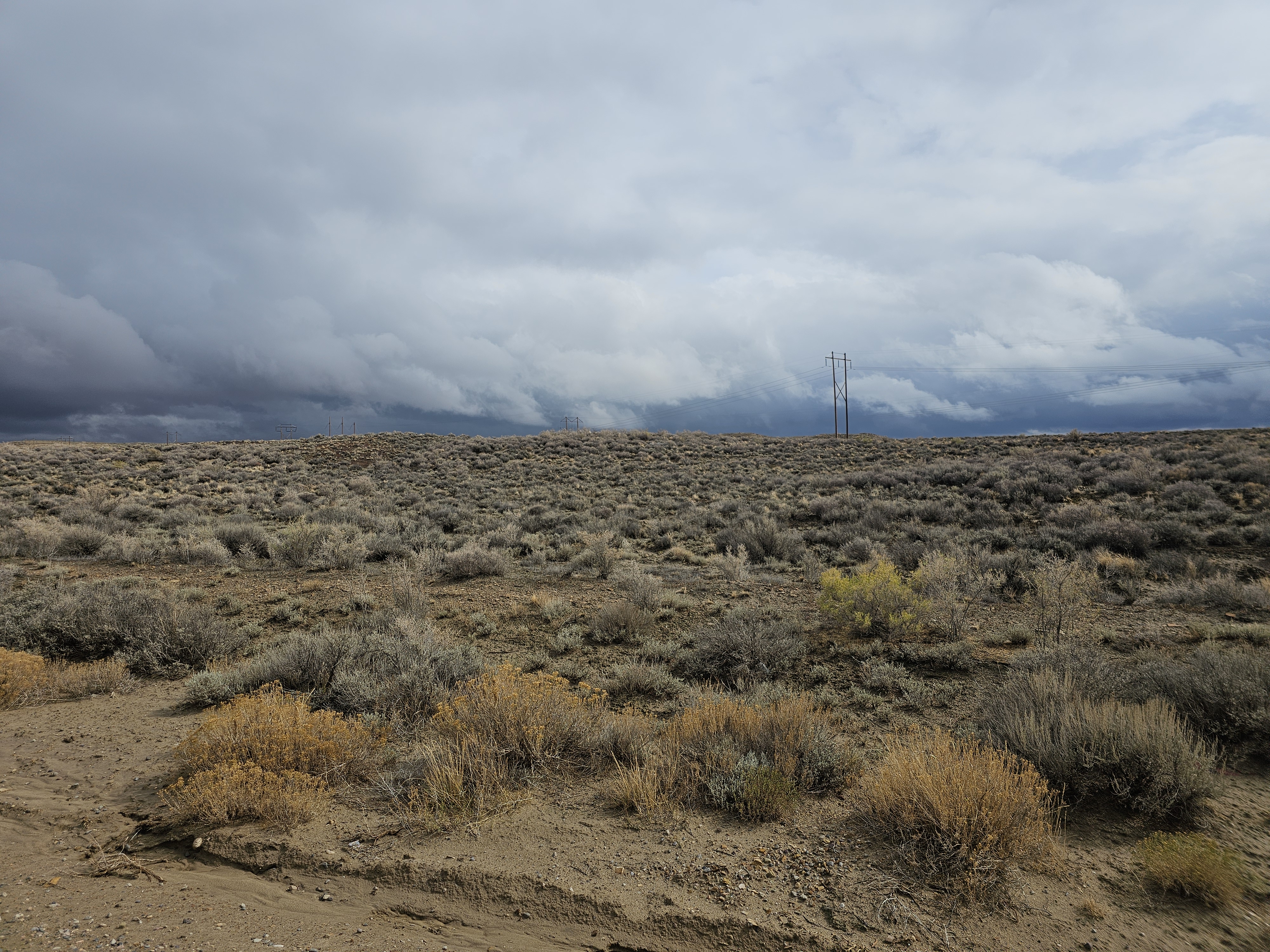
Where the miles are quiet and the mustangs still own the land
There are runs where you chase elevation.
There are runs where you chase PRs.
And then there are runs like the Wild Horse Loop in Sweetwater County—
where you chase something you can’t measure.
Out here, it’s not about pace.
It’s about presence.

What the Wild Horse Loop Actually Is
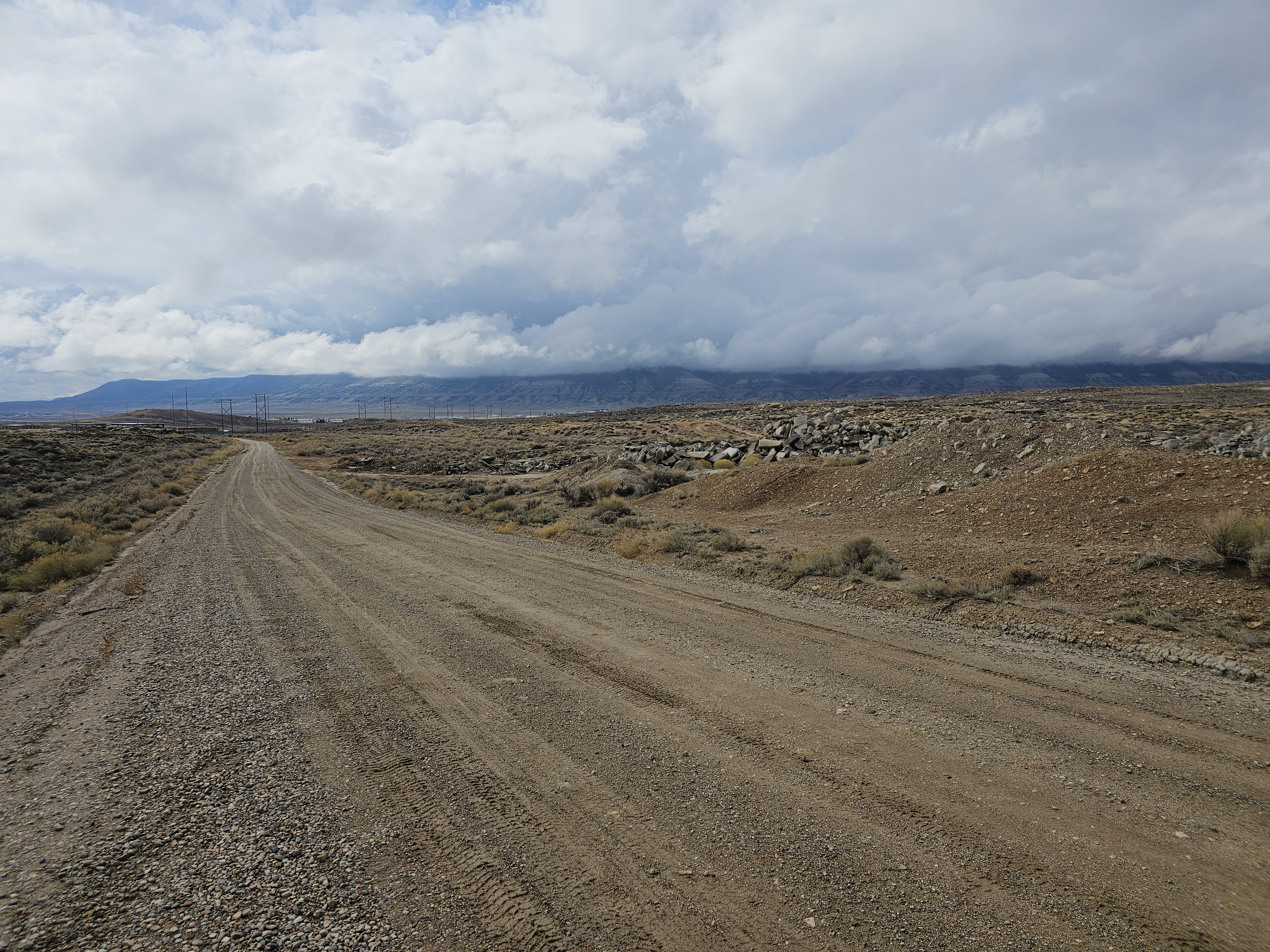
The Wild Horse Loop isn’t a polished race course or a perfectly marked trail system. It’s a network of dirt roads, faint double track, and open desert routes winding through Wyoming’s Red Desert—home to one of the largest free-roaming wild horse populations in the United States.
You’re running through territory managed in part by the Bureau of Land Management, where the land is left intentionally raw.
Expect:
- Rolling terrain (not flat, but not mountainous)
- Endless sagebrush and horizon lines
- Wind that shows up uninvited and stays
- Encounters that feel more like luck than planning
There’s no starting line.
No finish chute.
Just you and a loop you piece together yourself.
The Terrain: Deceptively Honest
If you’re used to alpine trails or Moab slickrock, this will feel different.
- Hard-packed dirt and sand that shifts with the wind
- Occasional rocky stretches
- Subtle climbs that wear you down instead of breaking you
This isn’t terrain that forces you to hike.
It’s terrain that tricks you into thinking it’s easy—until it isn’t.
And if you’ve ever run long miles in Wyoming, you already know:
the wind is the real elevation gain.
The Wild Horses (Yes, They’re Really Out There)
This is why you come.
Bands of wild horses move across this landscape like they belong here—because they do.
You might see:
- A small group grazing in the distance
- A stallion watching you from a ridge
- Dust kicking up as a herd moves faster than you ever could
There’s no guarantee.
No timing it.
But when it happens, it doesn’t feel like a “sighting.”
It feels like you’ve stepped into something older than the sport itself.
Logistics: This Isn’t a Casual Saturday Run
Running the Wild Horse Loop requires more than just lacing up.
Plan for:
- No reliable water sources → carry everything
- No cell service → download maps, bring backup navigation
- No aid stations → self-supported or nothing
- Rapid weather changes → sun, wind, cold—sometimes all in one run
You’re not signing up for a race.
You’re taking responsibility for your own outcome.
Why Trail Runners Overlook It
Let’s be honest:
- It’s not a race
- It’s not heavily trafficked
- It doesn’t show up in highlight reels
Compared to places like Moab or Colorado, this loop doesn’t scream for attention.
It whispers.
And most people run right past that.
Why You Shouldn’t
Because the Wild Horse Loop gives you something most races can’t:
- Unfiltered solitude
- True self-reliance
- Miles that belong only to you
There’s no crowd energy to lean on.
No finish line to validate it.
Just a stretch of Wyoming desert and whatever you brought with you—physically and mentally.
Fed Diabetic Runner Perspective
This is the kind of run that forces you to dial everything in:
- Fueling without convenience
- Pacing without distraction
- Awareness without backup
It strips things down.
And if you live with something like diabetes—or any condition that demands constant attention—there’s something powerful about managing it out here, in a place that doesn’t adjust for you.
You adapt.
Or you don’t finish.
Final Thought
Trail running the Wild Horse Loop isn’t about checking a box.
It’s about stepping into a landscape that doesn’t care if you’re there—and running anyway.
No crowds.
No hype.
No guarantees.
Just wind, sage, and the chance—if you’re lucky—to look up mid-run and realize you’re sharing the trail with something truly wild.
And for a moment…
you’re part of it too.



Leave a Reply