
There’s a side of endurance racing that doesn’t make the highlight reel.
No medal photos. No triumphant finish-line arms in the air.
Just three letters that can feel heavy:
DNF — Did Not Finish.
And when it happens at a race like the Arches Ultra, it can hit hard.
But here’s the truth most ultrarunners learn eventually:
A DNF is not the opposite of success.
It’s part of becoming the kind of athlete ultras are built from.
The Setting: Beautiful, Brutal, and Unforgiving
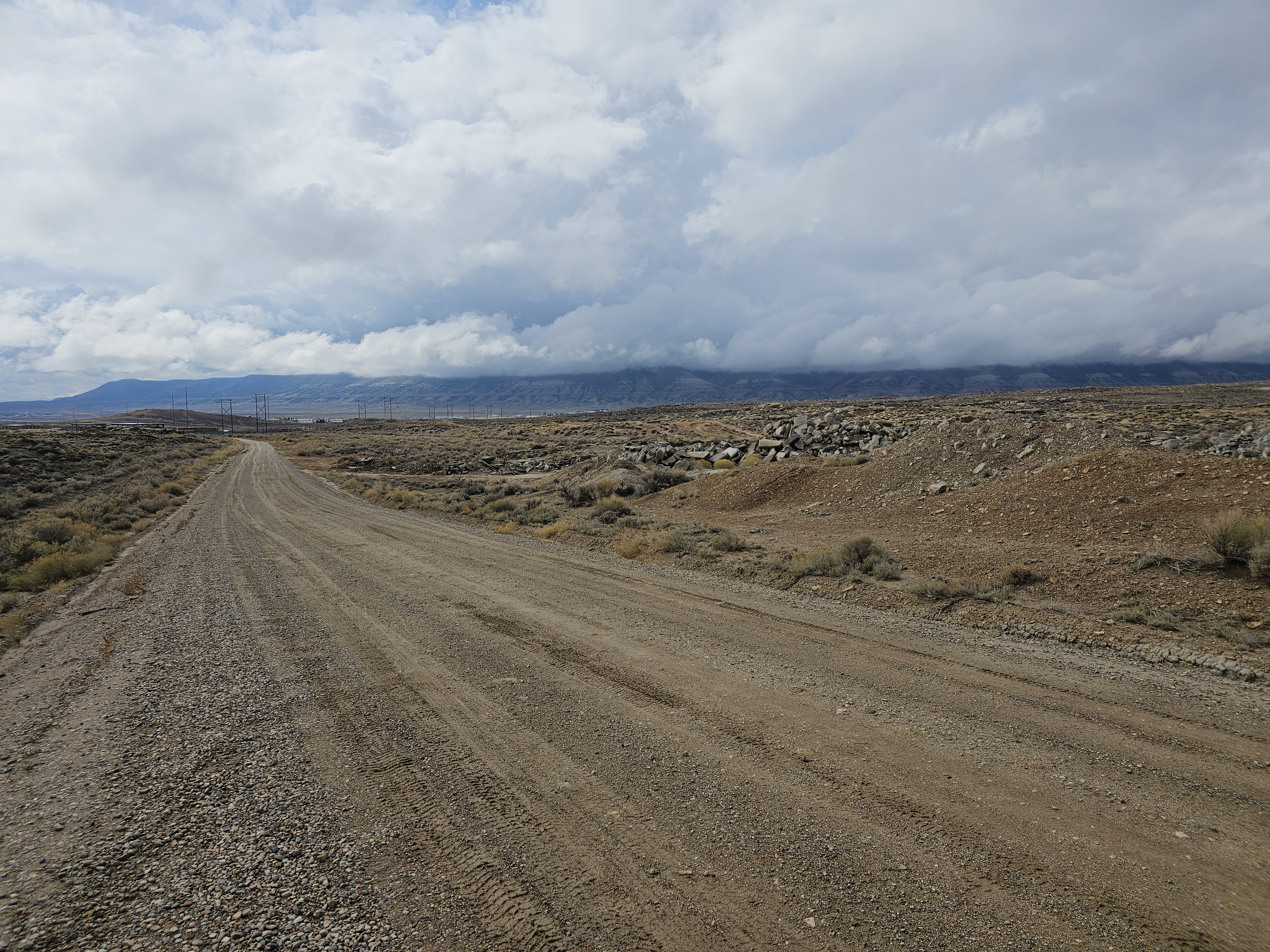
Racing near Arches National Park outside Moab, this course isn’t soft forest singletrack. It’s classic desert terrain:
- Exposed miles under wide-open sky
- Slickrock that drains your legs
- Sand that steals momentum
- Dry air that dehydrates you fast
- Technical footing that never lets stabilizers rest
You’re not just running distance.
You’re managing heat, hydration, nutrition, footing, and pacing — all at once.
That combination is exactly why this race is unforgettable… and why DNFs happen.
The Emotional Weight of a DNF
Let’s be honest. A DNF can feel like:
- Failure
- Embarrassment
- Disappointment
- Doubt about whether you belong in this sport
You trained. You showed up. You toed the line.
And still, the day didn’t go how you imagined.
That hurts.
But here’s the shift that changes everything:
A DNF usually means you reached your current edge — not that you don’t belong.
Ultras live right on the line between grit and physiology. Sometimes, the body gets the final say.
Why Runners DNF at Desert Ultras
Not excuses. Just realities of the environment.
Heat & Hydration Imbalance
Even on “mild” days, desert air pulls fluids out of you quickly. Once dehydration and electrolyte imbalance stack, the body starts shutting systems down.
Fueling Breakdown
In ultras, stomachs sometimes revolt:
- nausea
- inability to eat
- energy crashes
When calories stop going in, forward motion eventually stops too.
Muscular Damage
Slickrock and uneven terrain chew up quads, calves, hips, and feet. When form falls apart, injury risk rises fast.
Smart Decision-Making
Sometimes a DNF is the most experienced choice an athlete can make:
- early signs of heat illness
- blood sugar issues
- dizziness or confusion
- injury warning signals
That’s not quitting.
That’s protecting future start lines.
What a DNF Actually Means
It means:
✔ You trained
✔ You committed
✔ You stood on a start line most people never will
✔ You pushed until continuing wasn’t the right call
That’s not failure.
That’s participation in a sport that doesn’t promise finishers — only lessons.
The Hidden Wins
The runners who stay in ultrarunning long term almost all have DNFs in their history. Why?
Because this is where real growth happens:
- Stronger fueling strategy
- Better heat management
- Smarter pacing
- Gear adjustments
- Sharper race-day decision-making
- Mental resilience built through disappointment
Finishes build confidence.
DNFs build skill.
The Perspective That Changes Everything
A finish-line medal proves you endured.
A DNF proves you were brave enough to try something uncertain.
And in ultrarunning, the courage to come back matters more than any single result.
The Question That Matters Most
Not:
“Why did I fail?”
But:
“What did this race teach me?”
That answer becomes your roadmap forward.
The desert isn’t judging.
The course isn’t closing its doors.
It’s still out there — waiting for your next start line, your next lesson, and maybe… your next breakthrough. 🌄



Leave a Reply