— The Fed Diabetic Runner
I’ve spent years learning to listen to my body.
As a runner.
As someone living with diabetes.
As someone who refuses to let either define my limits.
But I didn’t realize how much I had stopped listening to my eyes.
When the World Started to Blur
At first, it was subtle — the kind of change you brush off because life is busy and there are miles to run.
Streetlights looked fuzzier at night.
Headlights exploded into starbursts on dark highways.
Trail details didn’t pop the way they used to.
My watch screen seemed harder to read mid-run.
I blamed fatigue. Dirty sunglasses. Aging. Too much screen time.
Anything but my vision.
Living with diabetes already means managing so many moving pieces — blood sugar, fueling, recovery, sleep. It’s easy to assume every problem traces back to glucose. But this wasn’t that.
This was cataracts quietly stealing clarity.
The Moment I Couldn’t Ignore It Anymore
There wasn’t one dramatic event. No sudden blindness. Just a slow realization:
I wasn’t seeing the world the way I used to.
Night driving became stressful instead of routine.
Bright sunlight felt harsher.
Colors looked muted, like someone turned down the saturation on life.
I found myself hesitating on terrain I once ran confidently.
For someone who finds freedom outdoors, that hesitation felt heavier than any physical limitation.
Eventually, I scheduled the appointment.
Part curiosity. Part fear. Part hope.
Hearing the Diagnosis
“Cataracts.”
Not what you expect to hear when you still feel active, capable, and not particularly “old.” But diabetes has its own timeline, and eyes are especially vulnerable.
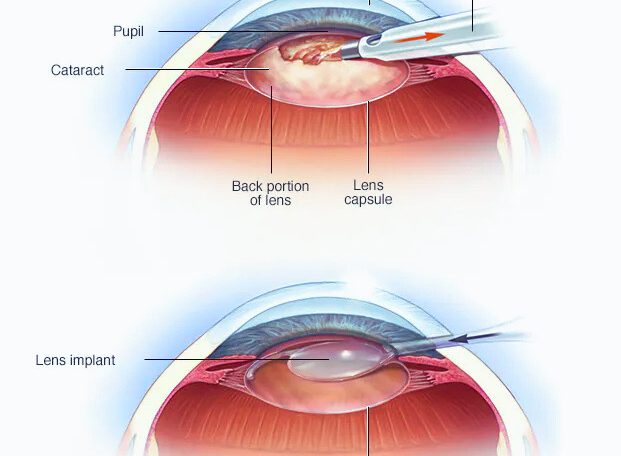
The doctor explained that cataracts are simply a clouding of the eye’s natural lens. Simple in theory. Not so simple in real life.
The good news? Fixable.
With surgery.
Eye surgery — two words that can make even tough endurance athletes go quiet.
Facing the Fear
I won’t pretend I was brave about it.
Running 50K through heat, altitude, and exhaustion? Fine.
Letting someone operate on my eye while I’m awake? Terrifying.
But fear doesn’t get the final say in a life built on perseverance.
I asked questions. Lots of them.
I researched.
I talked to people who had been through it.
And slowly, the unknown started to feel manageable.
Surgery Day: Not What I Expected
The procedure itself was surprisingly calm.
No dramatic hospital scene.
No long anesthesia countdown.
No pain.
Just numbing drops, bright lights, and a team that does this every single day.
The surgery was quick — about 20–30 minutes — and before I could fully process what was happening, it was over.
I walked out the same day.
Not with perfect vision yet… but with the cloudy lens gone.
The First Glimpse of Clear
Recovery isn’t instant magic, but it’s fast enough to feel miraculous.
At first, things looked bright — almost too bright.
Then sharper.
Then clearer than they had been in years.
Colors were the biggest shock. Whites looked truly white again instead of yellowed. Blues were vivid. Sunlight felt crisp instead of hazy.
It was like someone cleaned a window I didn’t realize was dirty.
The Diabetic Reality Check
Healing with diabetes adds another layer of responsibility.
Blood sugar control matters — not perfection, but stability. Your body heals better when glucose isn’t swinging wildly. That meant extra attention to monitoring, hydration, and rest.
It wasn’t just eye recovery. It was whole-body recovery.
But that’s nothing new for those of us living this life.
Returning to Movement
As an active person, the hardest part wasn’t discomfort — it was patience.
No heavy lifting.
No rubbing the eye.
No dusty trails right away.
No diving back into full training immediately.
But walking was encouraged. Gentle movement was okay. And little by little, normal life resumed.
When I finally returned to running, I noticed something unexpected:
Confidence.
Seeing clearly changes how you move through space. Foot placement feels surer. Depth perception returns. You stop second-guessing every step.
What I Didn’t Expect to Feel
Relief. Gratitude. A strange sense of rediscovery.
I hadn’t realized how much mental energy I was spending compensating for poor vision — squinting, slowing down, avoiding certain conditions, pushing through discomfort.
When clarity returned, so did ease.
And joy.
Seeing More Than Just Better Vision
Cataract surgery didn’t just sharpen my eyesight. It reminded me of something deeper:
Our bodies change.
Challenges show up uninvited.
But solutions exist — and they’re worth pursuing.
As the Fed Diabetic Runner, my journey has never been about perfection. It’s about adaptation, resilience, and continuing to chase miles, mountains, and meaning even when the path shifts.
This was just another detour. Not the end of the road.
If You’re Facing Cataract Surgery Too
You’re not weak for being nervous.
You’re not alone.
And you’re not giving up — you’re choosing to see your life clearly again.
If your world has started to look foggy, dim, or uncertain, talk to an eye specialist. Ask the questions. Advocate for yourself.
Clear vision isn’t a luxury.
It’s freedom.
Final Thoughts
The first time I stood outside after surgery and really looked — at the sky, the landscape, the tiny details I’d forgotten — I felt something simple and powerful:
Thankful.
Thankful to see the road ahead.
Thankful to keep moving forward.
Thankful that even when diabetes complicates things, it doesn’t get to take everything.
And most of all, thankful that the world — and the miles waiting in it — are still there in full color.



Leave a Reply