Burnout, Compassion Fatigue, and the Miles That Don’t Fix It
There’s a specific kind of tired that sleep doesn’t touch.
Not the kind you fix with a day off.
Not the kind that disappears after an easy run.
It’s deeper than that.
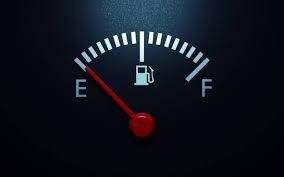
It’s the kind that builds quietly—shift after shift—until one day you realize you’re running on empty… and you don’t remember when you last felt full.
The Weight You Don’t Clock Out From
A 12-hour shift isn’t just 12 hours.
It’s:
- the patient you can’t stop thinking about
- the family conversation that lingers
- the moment you had to hold it together when everything felt like too much
You clock out.
But none of that really leaves with you.
It rides home in silence.
It sits with you at dinner.
It follows you into your next run.
Compassion Fatigue Is Real
No one really prepares you for this part.
The part where caring—something that once felt like purpose—starts to feel heavy.
Where empathy turns into exhaustion.
Where you still care…
but it takes more out of you every time.
That’s compassion fatigue.
And it doesn’t mean you’re bad at your job.
It usually means the opposite.
It means you’ve been giving…
for a long time…
without enough space to refill.
When Running Stops Working
Running is supposed to help.
And a lot of the time, it does.
It clears your head.
It gives you space.
It helps you process.
But sometimes?
It doesn’t touch it.
You get out there expecting relief…
and instead, you just feel the same.
Same thoughts.
Same heaviness.
Same mental loop you were trying to outrun.
You finish the run and realize:
You didn’t leave anything behind.
The Frustration No One Talks About
That’s the part that hits hardest.
Because running is your thing.
It’s supposed to be the outlet.
The reset.
The place where things make sense again.
So when it doesn’t work, it feels like:
Now what?
If this doesn’t help… what does?
Physical vs. Mental Exhaustion
After a long shift, your body is tired.
But that’s not the real problem.
The real problem is mental exhaustion:
- decision fatigue
- emotional overload
- the constant pressure to stay sharp, present, and composed
You can rest your body.
But your mind?
That takes longer.
And sometimes, running just adds more physical stress to an already overloaded system.
The “Nothing Left” Feeling
There are days you leave work and realize:
You gave everything away.
Your patience.
Your focus.
Your emotional energy.
And what’s left for you?
Not much.
So you try to run anyway—because that’s what you do.
And maybe you get a mile in.
Maybe you turn around early.
Maybe you don’t go at all.
Not because you’re lazy.
Because there’s nothing left in the tank.
Redefining What Counts (Again)
This is where it gets uncomfortable.
Because the old standards don’t apply here.
A “good run” might not exist that day.
A “successful workout” might look like:
- stretching instead of running
- walking instead of pushing
- resting without guilt
That still counts.
Even if it doesn’t feel like it.
You’re Not Broken—You’re Burned Out
There’s a difference.
You’re not failing at running.
You’re not losing your edge.
You’re not becoming weak.
You’re burned out.
And burnout doesn’t respond to more pressure.
It responds to:
- space
- rest
- honesty
- support
Things we’re not always good at giving ourselves.
What Actually Helps (Even If It’s Small)
When you’re in this place, think smaller.
Way smaller than you want to.
- 10 minutes outside instead of a full run
- sitting in quiet instead of forcing a workout
- acknowledging the weight instead of ignoring it
You don’t need to fix everything.
You just need to stop digging the hole deeper.
If You’re Running on Empty Too
If you’re in this season—working long shifts, trying to train, and wondering why nothing feels like it’s working anymore—
You’re not alone.
A lot of us are out here:
- showing up to work
- showing up to the trail
- and quietly running on fumes
Doing the best we can with what we have left.
You Don’t Have to Earn Rest
You don’t have to prove you’re tired enough.
You don’t have to justify slowing down.
And you don’t have to push through something that’s asking you to pause.
Sometimes the strongest thing you can do…
is not run.
If you’re struggling or in crisis, you can call or text 988 in the U.S. to reach the Suicide & Crisis Lifeline. You don’t have to carry it alone.



Leave a Reply