
If you’ve ever wondered what lies beyond the finish line of a marathon, you’re not alone. Runners everywhere are trading pavement for dirt and choosing a new kind of challenge — the ultra-trail marathon. More than just a longer race, ultra-trail running is a journey through nature, grit, and self-discovery.
Whether you’re curious, training for your first 50K, or dreaming about a 100-mile adventure, this guide breaks down everything you need to know.
What Exactly Is an Ultra-Trail Marathon?
An ultra-trail marathon is any running event longer than 26.2 miles (42.195 km) held primarily on natural terrain. Unlike road ultras, these races take place on:
- Mountain trails
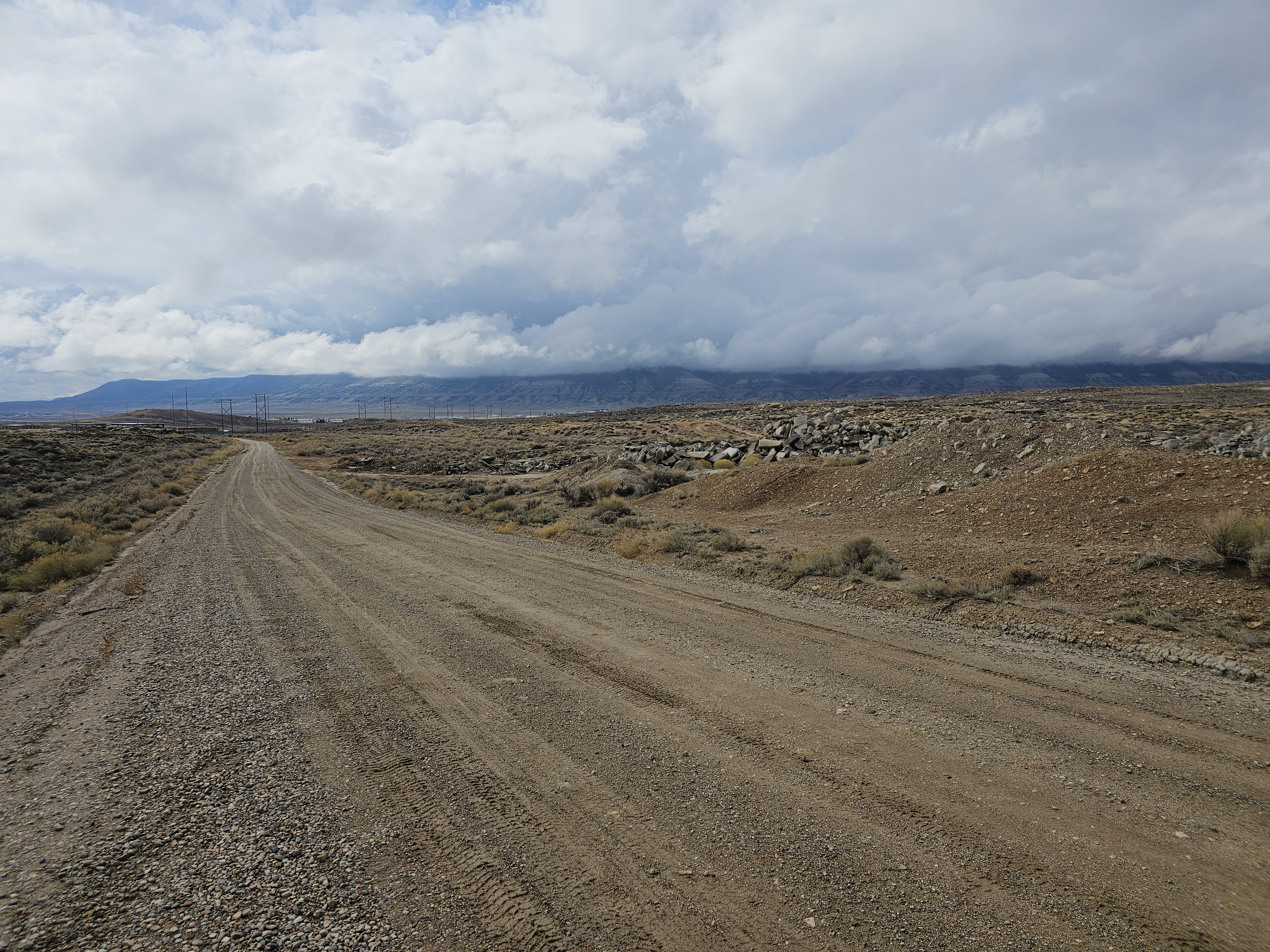
- Desert landscapes
- Forest singletrack
- Coastal cliffs
- Canyons, ridges, and remote backcountry routes
Common ultra-trail distances include:
- 50K (31 miles) – the most popular first ultra
- 50 miles
- 100K
- 100 miles
- Multi-day stage races
But the real magic of ultra-trail running? It’s not the miles. It’s everything they teach you.
Why Ultra-Trail Running Is So Different (and So Addictive)
1. The Terrain Shapes You
Rocks, roots, sand, mud, scree, stream crossings — the trail constantly changes. Your pace becomes secondary to your adaptability and awareness.
2. You Climb. A Lot.
Most ultra-trail races include thousands of feet of elevation gain. You walk the uphills. You run the downhills. You learn to love both.
3. It’s You vs. You
In ultras, competition fades. What remains is a test of patience, courage, and problem-solving.
4. Aid Stations Are Like Mini Festivals
Ultras are known for:
- Friendly volunteers
- Real food (chips, PB&J, broth, potatoes, cookies!)
- Encouragement that feels like magic when you need it most
5. The Community Feels Like Family
Trail runners are some of the most supportive, humble athletes you’ll ever meet.
Preparing for Your First Ultra-Trail Marathon
1. Train Smart
Build mileage gradually and prioritize:
- Long runs
- Back-to-back long weekends
- Strength training
- Trail time
- Elevation training
You don’t need to be fast — just consistent.
2. Learn Fueling Early
Most runners eat 200–300 calories per hour during races. Practice this in training:
- Gels
- Chews
- Bars
- Real foods
- Electrolytes
Dialing in nutrition is the difference between finishing strong and suffering hard.
3. Get the Right Gear
For ultra distances, you’ll want:
- Trail running shoes
- A hydration vest
- Water bottles or bladder
- A headlamp for early mornings or nighttime
- Weather-ready layers
- Poles (optional but helpful for climbs)
4. Respect the Distance
A 50K might “only” be 5 miles longer than a marathon — but on trails, that can mean an extra 1–3 hours of running. Build endurance wisely.
Choosing Your First Ultra-Trail Race
Look for:
- Beginner-friendly terrain
- Moderate elevation gain
- Good aid station support
- A welcoming race community
- A location that inspires you
Popular first ultras include 50Ks in parks, forests, and desert regions with clear markings and mild terrain.
Is Ultra-Trail Running for You?
Absolutely — if you’re curious and willing to put in the work.
You don’t need to look a certain way, run a certain pace, or have years of experience. Ultra running is for:
- Slow runners
- Fast runners
- Weekend adventurers
- Former road runners
- Hikers transitioning to running
- Anyone who loves the outdoors
If the idea of going farther sparks something in you, that’s enough to start.
Final Thoughts: The Trail Is Calling
Ultra-trail running isn’t about perfection — it’s about possibility.
It’s about discovering new strengths, exploring wild places, and learning that your limits aren’t where you thought they were.
Whether you’re training for your first 50K or dreaming about your first 100-mile finish, remember this:
The trail will challenge you.
The miles will humble you.
And the journey will change you.



Leave a Reply