Raw, historic, and wildly underrated miles
If you’re looking for trail runs near South Pass City, you’re not getting groomed singletrack or race-marked loops.
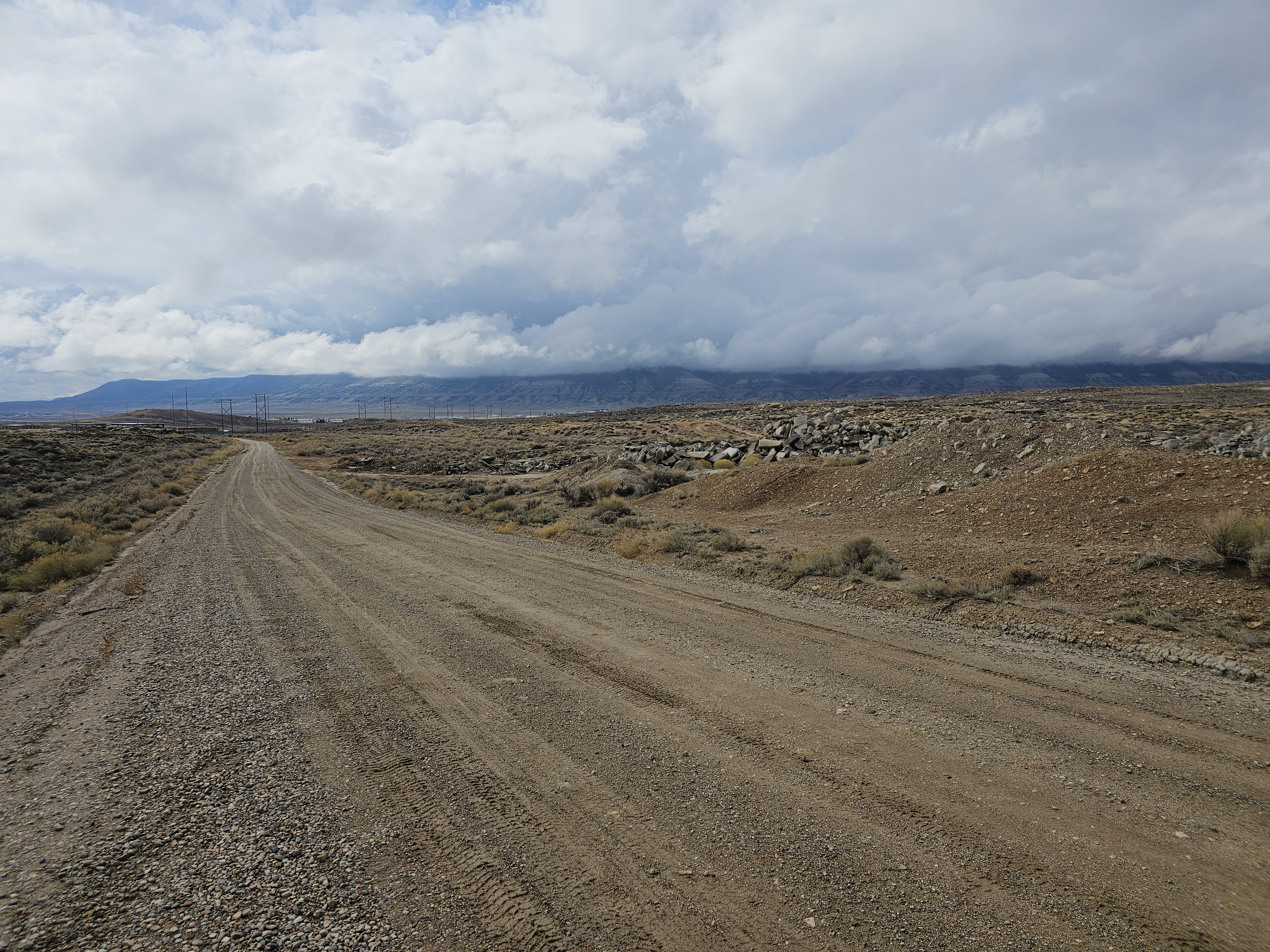
You’re getting historic routes, faint trails, and wide-open Red Desert terrain—the kind of running where navigation matters as much as fitness.
This area sits right on the edge of the Continental Divide and the northern Red Desert, one of the largest unfenced ecosystems in the lower 48.
Here are the best trail running options in that zone:

1. Continental Divide Trail (South Pass Section)
Best for: Classic point-to-point or out-and-back runs
- Runs directly through the South Pass area
- Rolling terrain with huge views of the Wind River Range
- Mix of singletrack, doubletrack, and historic trail corridors
This stretch of the Continental Divide Trail follows the same general corridor as the Oregon and Mormon Trails.
What makes it unique:
- Gradual, runnable climbs (nothing too technical)
- Big sky exposure
- Historic crossings where settlers once walked west
South Pass itself is a broad, almost deceptively flat crossing of the Continental Divide—one of the easiest crossings in the Rockies.
👉 Run idea:
Out-and-back from South Pass City toward Oregon Buttes (8–20 miles depending on turnaround)

2. Run the Red Desert Course (DIY Version)
Best for: Long efforts (20–50K simulation runs)
The course from the Run the Red Desert Trail Race is hands-down the best “built” route in the area—even if you’re not racing it.
- Starts/finishes near South Pass City or Whitehorse Creek
- Loops through canyon rims, buttes, and historic trails
- Includes sections of CDT + Oregon Trail
Expect:
- Canyon rim running
- Views of Oregon Buttes and Continental Peak
- Crossings near the Sweetwater River
The course was designed to showcase “a remote and wild wilderness experience” across the northern Red Desert.
👉 Run idea:
Recreate a 15–25 mile loop using Whitehorse Creek → Pacific Butte → South Pass City
3. Oregon Buttes + Pacific Butte Loop
Best for: Scenic elevation + iconic Red Desert landmarks
- Rolling climbs up to ~8,500 ft
- Panoramic desert + Wind River views
- Minimal trail—mostly route-finding
The Oregon Buttes sit just south of South Pass and are one of the defining landmarks of the region.
What you get:
- True Red Desert isolation
- Historical overlap with emigrant routes
- A mix of jeep roads and open terrain
👉 Run idea:
Loop connecting Pacific Butte + Oregon Buttes (~10–18 miles depending on route)

4. Honeycomb Buttes Exploration Runs
Best for: Adventure runs & technical desert terrain
This is where things get weird—in the best way.
- Eroded rock formations
- Slot-like passages
- Maze-style navigation
The Honeycomb Buttes Wilderness Study Area shows up in the Run the Red course and is one of the most unique sections of the Red Desert.
👉 Run idea:
Shorter exploratory loops (5–12 miles) depending on comfort with navigation
5. Sweetwater River Canyon Runs
Best for: Slightly more defined terrain + water access (sometimes)
- Follows historic emigrant trail corridors
- Mix of canyon running + open desert
- Occasional creek crossings
This area ties directly into the original emigrant routes heading toward South Pass, where travelers gradually climbed toward the Continental Divide.
👉 Run idea:
Out-and-back along canyon edges or river crossings (6–15 miles)
What Makes Running Here Different
This isn’t Moab.
It’s not Colorado.
Running near South Pass City means:
- Navigation over signage
- Self-reliance over support
- History under your feet with every step
Most of this land is public and managed for multiple uses, meaning you’ll encounter everything from wildlife to oil roads to untouched wilderness.
Reality Check (Fed Diabetic Runner Style)
This place will test you in ways races don’t:
- No aid stations
- Limited water
- Wind that drains you more than climbs
- Long stretches where quitting isn’t easy
But if you’re training for ultras—or just want something real—
this is one of the most honest training grounds in Wyoming.
Final Thought
Trail running near South Pass City isn’t about finding the perfect trail.
It’s about building your own route across a landscape that’s been used for 150+ years—and still hasn’t been tamed.
You’re not just running miles out here.
You’re running through history, through silence, and through a version of the sport most people never touch.



Leave a Reply